 Logo de machines Tonkee


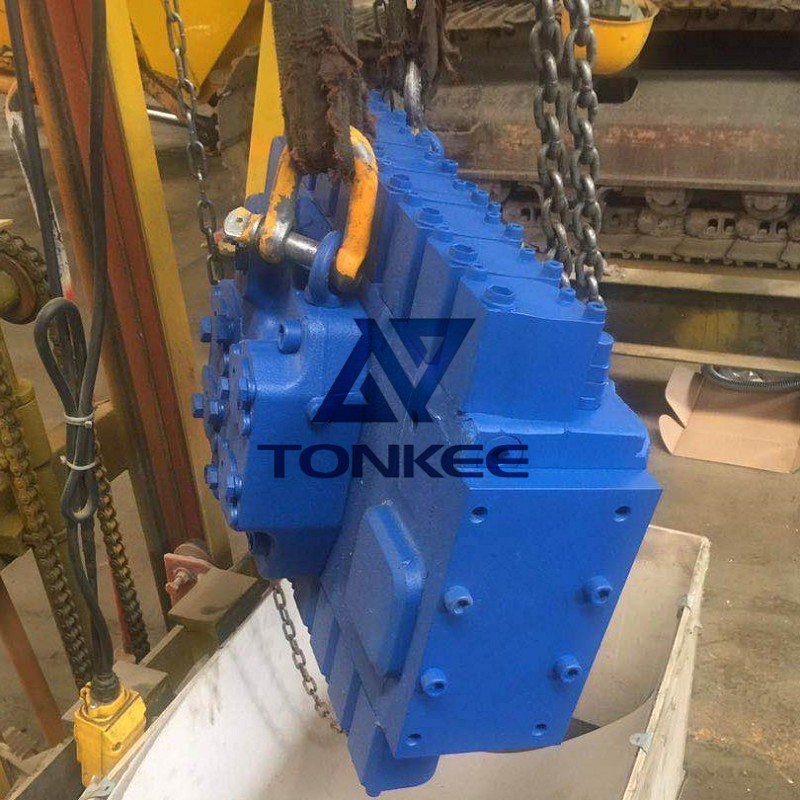
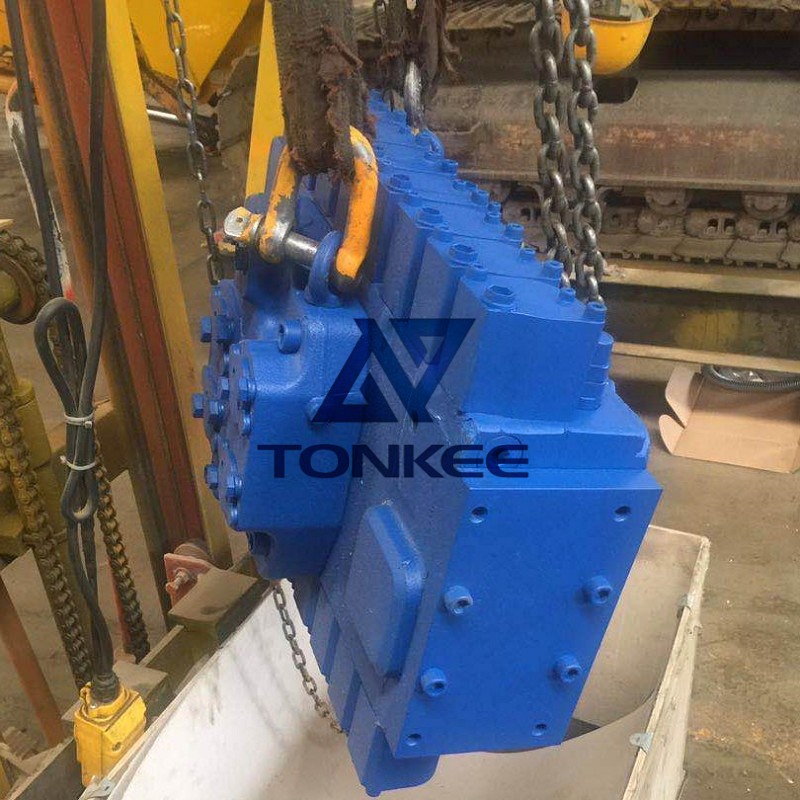
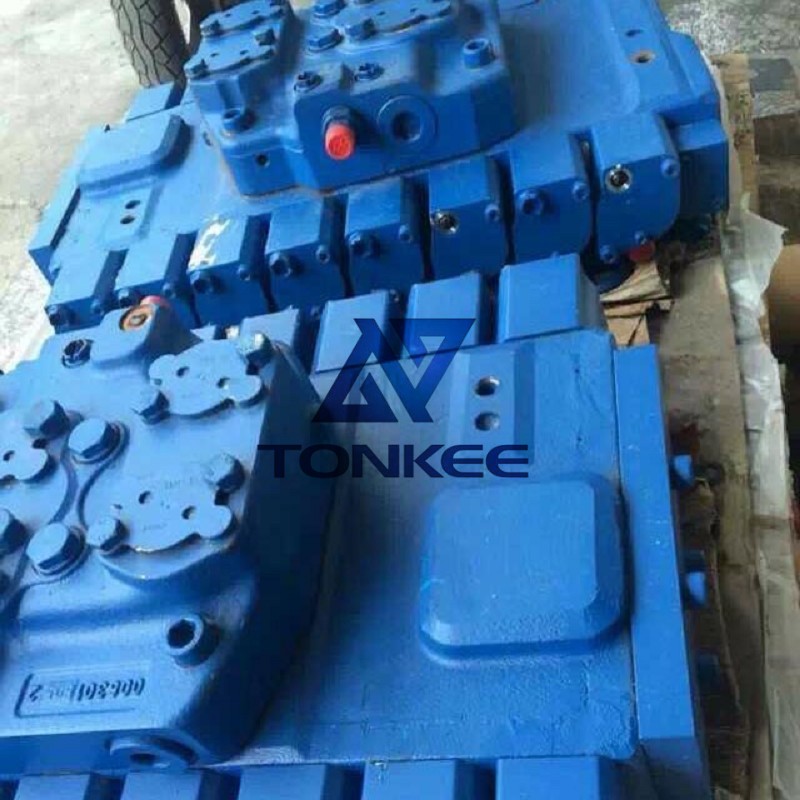
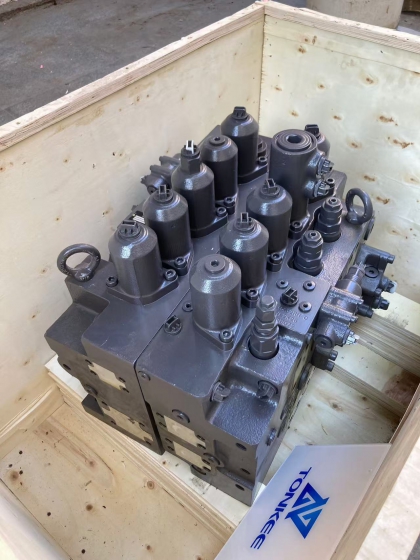
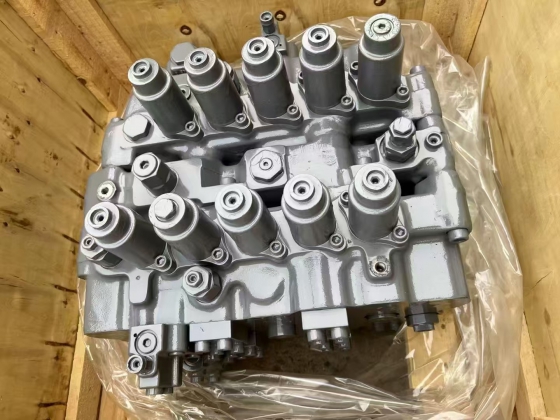
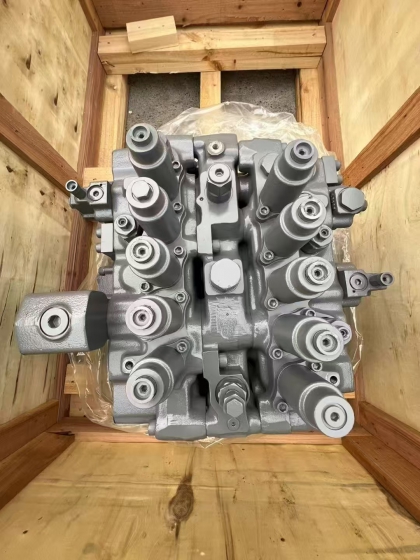
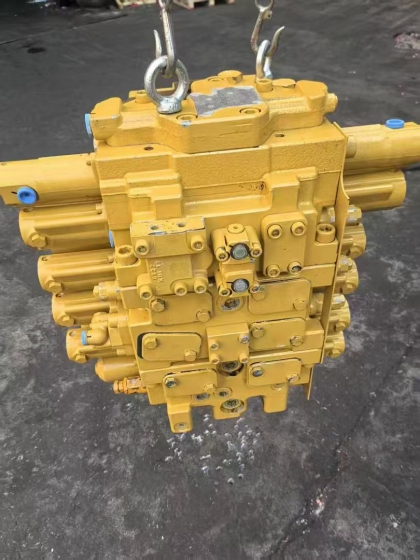
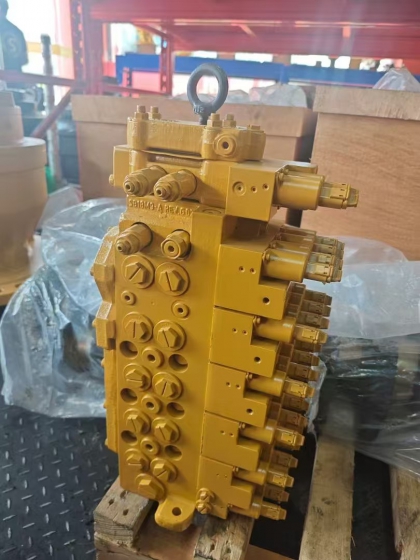
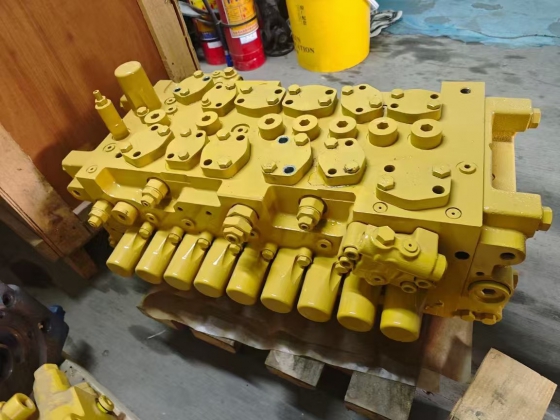
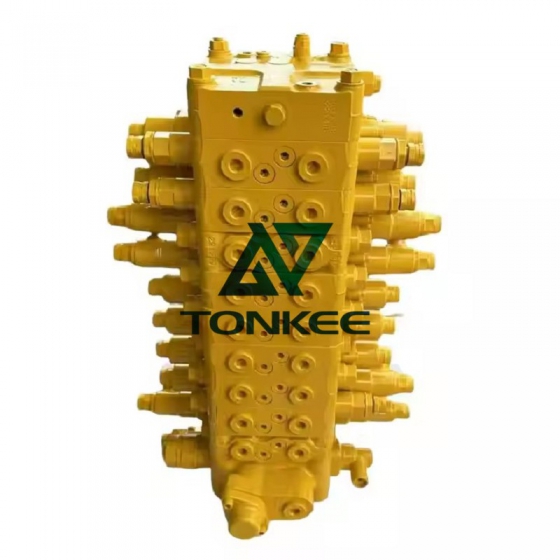
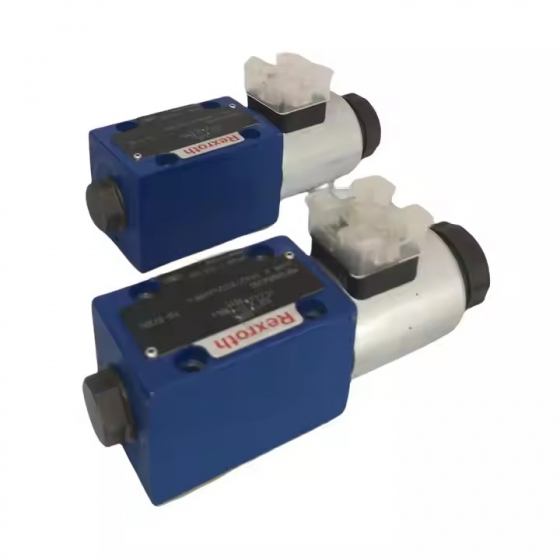
Vannes de distribution, également appelées vannes de régulation directionnelles ou vannes de régulation de débit, sont des composants essentiels dans les systèmes hydrauliques.
Ils contrôlent la direction, débit, et pression des fluides hydrauliques ou pneumatiques, permettre au système de fonctionner de manière efficace et efficiente. Ces vannes sont couramment utilisées dans un large éventail d'industries, y compris la fabrication, automobile, aérospatial, et construction.
Un type courant de vanne de distribution est le distributeur à tiroir.. Les distributeurs à tiroir sont constitués d'un tiroir mobile qui glisse dans un corps de vanne, contrôler les chemins d'écoulement et sceller les ports spécifiques pour rediriger le fluide. La configuration et la fonctionnalité des distributeurs à tiroir peuvent varier considérablement en fonction de l'application et des exigences spécifiques..
Les vannes de distribution sont conçues pour répondre à certaines spécifications et normes afin de garantir des performances fiables et une compatibilité au sein d'un système.. Voici quelques spécifications typiques qui peuvent s'appliquer aux vannes de distribution:
Taille de la vanne: Les vannes de distribution sont disponibles en différentes tailles pour s'adapter à différents débits et exigences de pression.. La taille est généralement spécifiée en fonction de la taille de l'orifice ou de la capacité de débit de la vanne., qui peut aller des petites vannes pour les applications à faible débit aux grandes vannes pour les systèmes industriels à haut débit.
Cote de pression: Les vannes de distribution sont conçues pour résister à des niveaux de pression spécifiques. La pression nominale indique la pression maximale que la vanne peut gérer sans fuite ni panne.. Les pressions nominales courantes vont de quelques centaines à plusieurs milliers de livres par pouce carré (psi).
Capacité de débit: La capacité de débit d'une vanne de distribution fait référence au débit maximum qu'elle peut gérer sans chute de pression excessive..
Il est généralement spécifié en gallons par minute (GPM) ou litres par minute (LPM) et dépend de facteurs tels que la taille de la vanne, conception, et l'application prévue.
Température de fonctionnement: Les vannes de distribution doivent fonctionner dans certaines limites de température pour maintenir leurs performances et éviter tout dommage.. La plage de températures de fonctionnement spécifie les températures minimales et maximales auxquelles la vanne peut fonctionner efficacement., assurer la stabilité et la longévité.
Compatibilité fluide: Les vannes de distribution sont conçues pour des types de fluides spécifiques, comme l'huile hydraulique, eau, air, ou des gaz. Le matériau de la vanne, scellés, et les composants internes sont sélectionnés pour être compatibles avec le fluide prévu, assurer une bonne étanchéité, résistance à la corrosion, et la fiabilité globale.
Configuration de montage: Les vannes de distribution peuvent avoir diverses options de montage, comme le montage sur plaque, montage sur collecteur, ou montage individuel. La configuration de montage détermine la façon dont la vanne est fixée au système et intégrée aux autres composants.
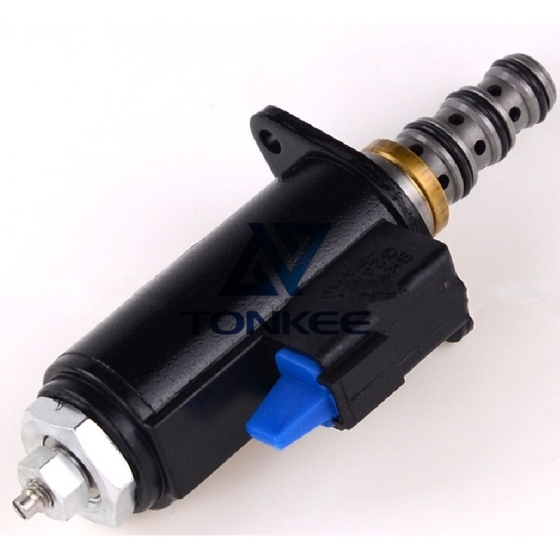
Méthode d'actionnement: Les vannes de distribution peuvent être actionnées manuellement, mécaniquement, électriquement, ou hydrauliquement, en fonction des exigences du système. La méthode d'actionnement spécifie comment la vanne est contrôlée et manipulée pour changer sa position et modifier le débit de fluide..