 Logotipo de máquinas Tonkee


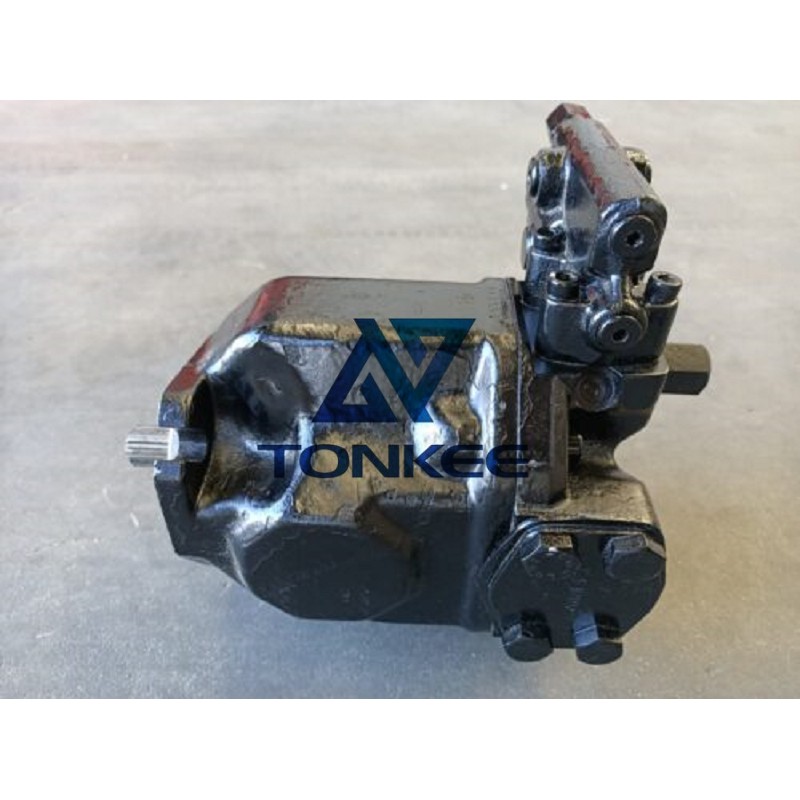
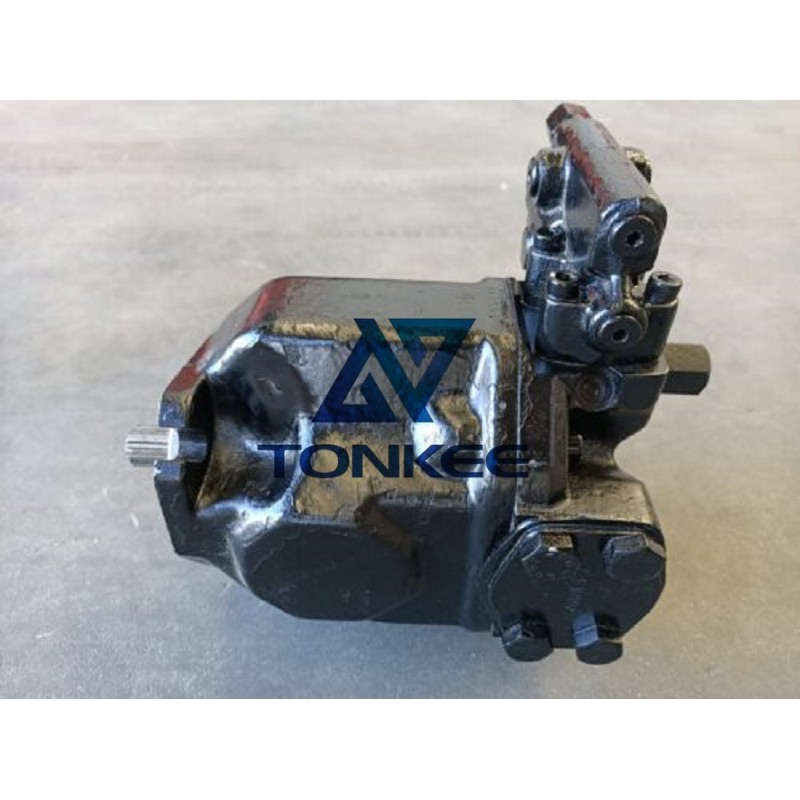
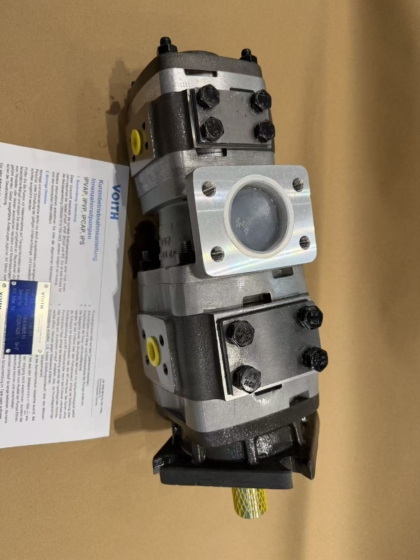
Desmontagem: Comece removendo cuidadosamente a bomba do maquinário e desconectando todas as linhas hidráulicas conectadas.
Siga as instruções do fabricante para evitar causar mais danos durante a desmontagem.
Inspeção: Inspecione cuidadosamente cada componente da bomba, incluindo a habitação, pistões, válvulas, e selos. Procure sinais de desgaste, corrosão, ou dano. Preste atenção especial às peças críticas que afetam o desempenho da bomba.
Limpeza: Limpe todos os componentes usando solventes adequados para remover qualquer sujeira, destroços, ou contaminantes. Certifique-se de que os componentes estejam completamente secos antes de passar para a próxima etapa.
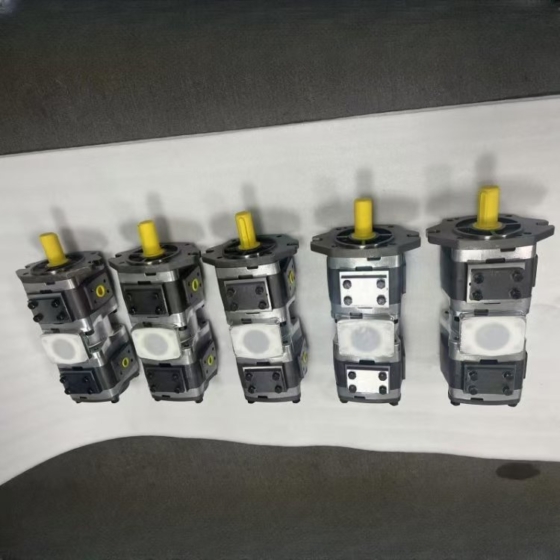
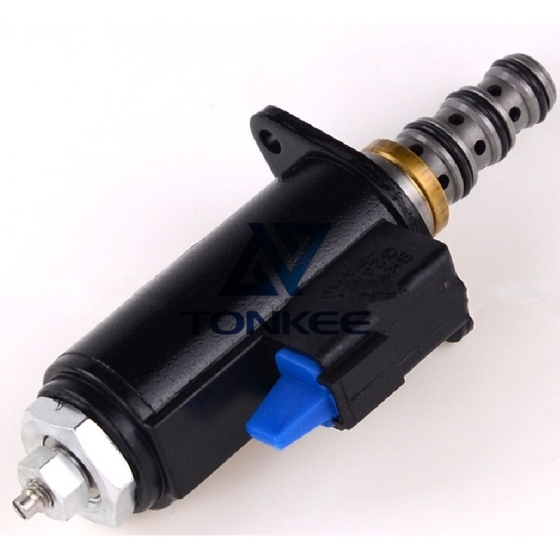
Substituição: Identifique quaisquer peças que exijam substituição e adquira peças originais Volvo ou alternativas de reposição de alta qualidade. Substitua as vedações desgastadas, rolamentos, juntas, ou pistões para garantir desempenho e longevidade ideais.
Remontagem: Siga as orientações do fabricante para remontar a bomba com precisão. Use especificações de torque apropriadas para apertar parafusos e fixadores para evitar vazamentos ou falhas mecânicas.
Teste: Após a remontagem, é essencial testar a bomba reconstruída quanto ao funcionamento adequado. Conecte a bomba a um sistema hidráulico e verifique se há alguma anormalidade, como ruídos incomuns, vazamentos, ou pressão inadequada. Faça os ajustes ou reparos necessários, se necessário.
Manutenção: Assim que a reconstrução da bomba for concluída e testada com sucesso, é crucial estabelecer um cronograma de manutenção regular.
Siga os procedimentos de manutenção recomendados pela Volvo, incluindo alterações de fluidos, substituições de filtros, e inspeções, para prolongar a vida útil da bomba e evitar futuras avarias.
Experiência: A reconstrução de uma bomba hidráulica requer experiência e conhecimento de sistemas hidráulicos. Se você não tem experiência ou não tem certeza sobre o processo, é aconselhável procurar assistência de um técnico de serviço Volvo certificado ou de um especialista hidráulico respeitável.