 Logotipo de Machinery Tonkee


Las bombas hidráulicas son dispositivos mecánicos que se utilizan para generar flujo y presión en sistemas hidráulicos..
Estos sistemas dependen de la fuerza ejercida por un fluido., típicamente un líquido incompresible, para transmitir potencia y controlar el movimiento de varios componentes. Las bombas hidráulicas desempeñan un papel crucial en una amplia gama de aplicaciones., incluyendo maquinaria industrial, equipo de construcción, y sistemas automotrices.
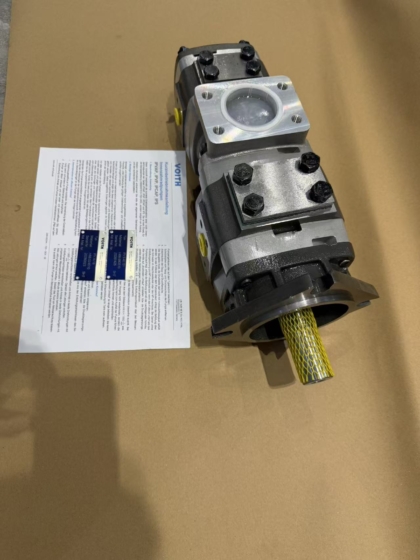
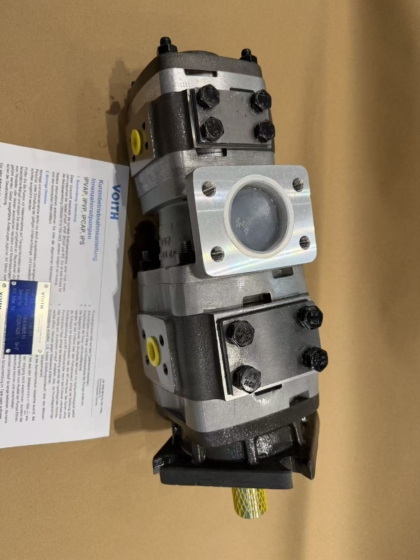
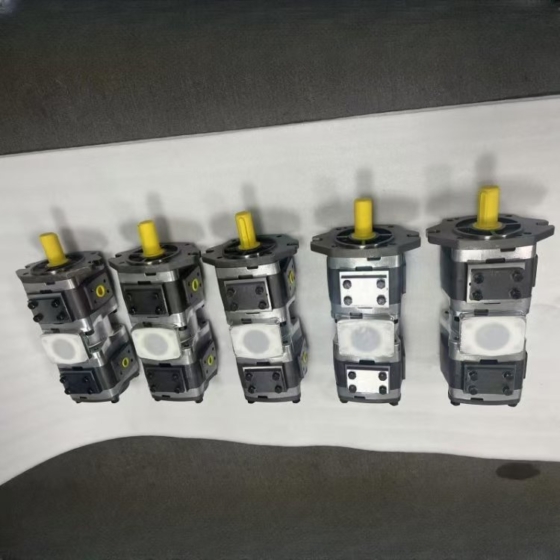
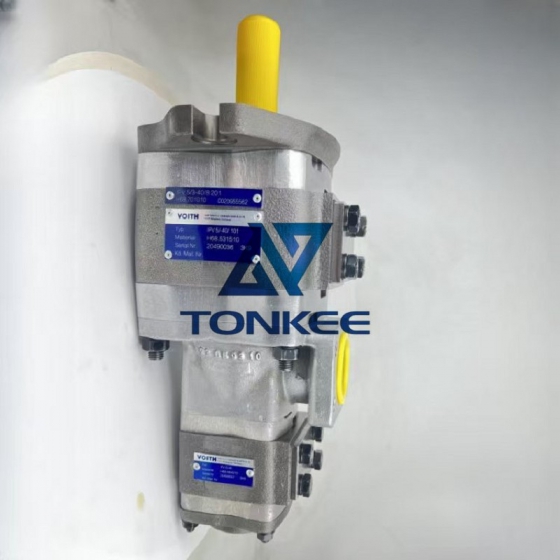
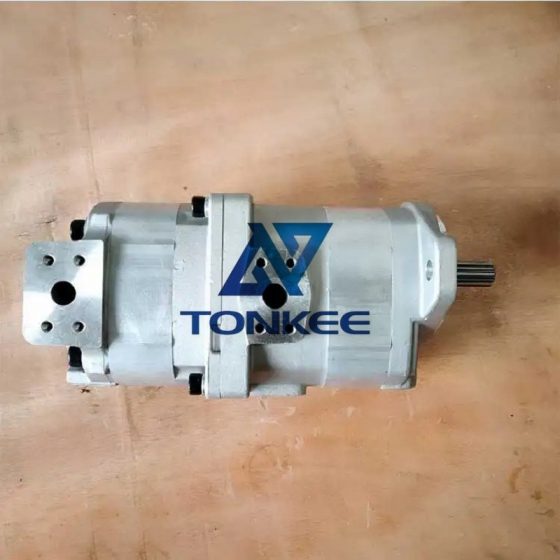
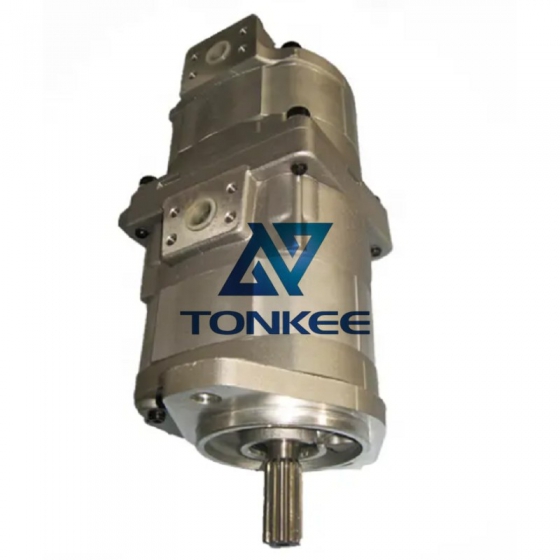
Existen varios tipos de bombas hidráulicas., cada uno con sus propios principios operativos y especificaciones únicos. Un tipo comúnmente utilizado es la bomba de engranajes.. Las bombas de engranajes constan de dos engranajes engranados que giran dentro de una carcasa.. Mientras los engranajes giran, Crean un vacío que atrae fluido hacia la bomba y luego lo expulsa bajo presión.. Las bombas de engranajes son conocidas por su simplicidad., compacidad, y confiabilidad.
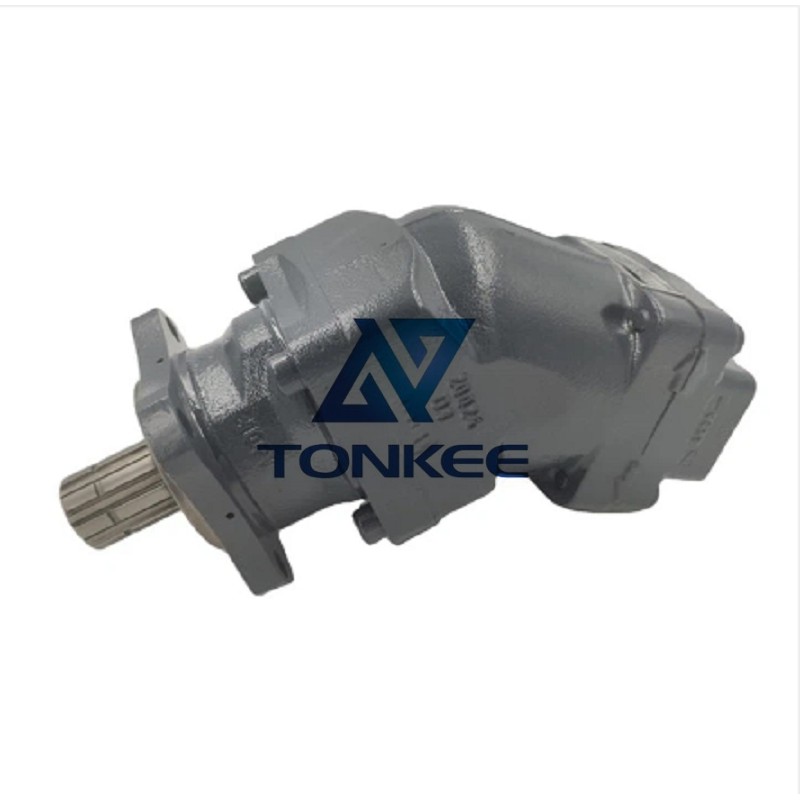
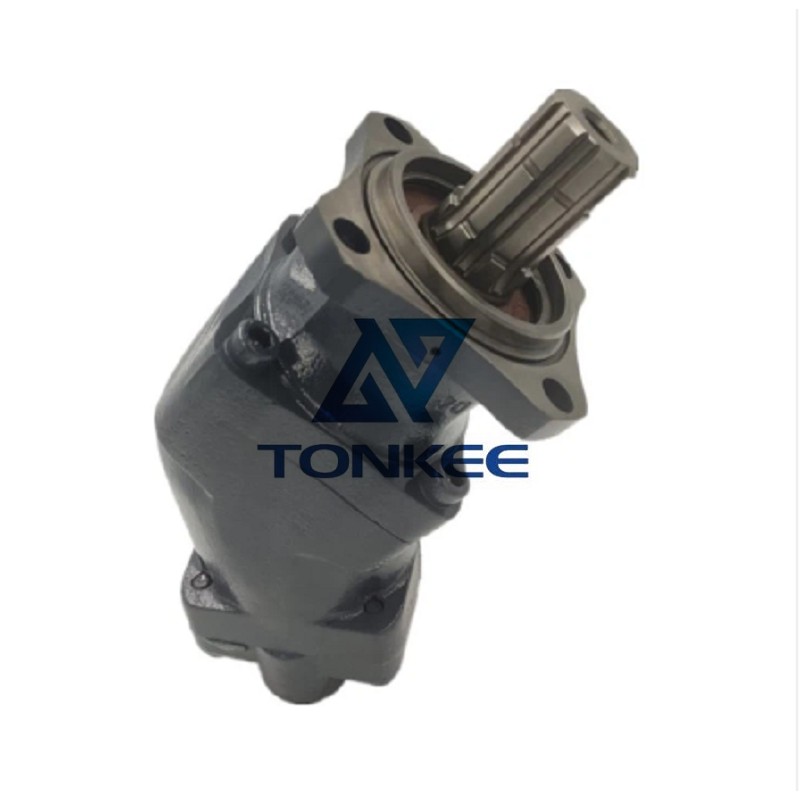
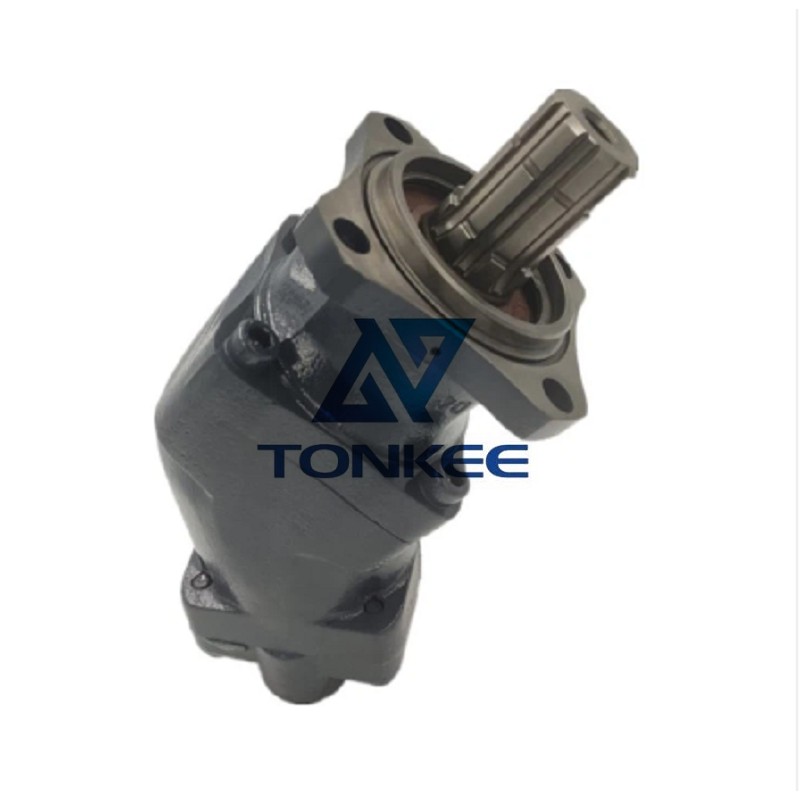
Otro tipo de bomba hidráulica es la bomba de pistón.. Las bombas de pistón utilizan pistones alternativos para desplazar el fluido y generar presión.. Se pueden clasificar además en bombas de pistones axiales., bombas de pistones radiales, y bombas de eje inclinado, dependiendo de la orientación de los pistones. Las bombas de pistón son conocidas por su alta eficiencia y capacidad para generar altas presiones., haciéndolos adecuados para aplicaciones de servicio pesado.
Las bombas de paletas son otro tipo común de bomba hidráulica.. Consisten en paletas que están montadas en un rotor y se deslizan hacia adentro y hacia afuera de las ranuras de la carcasa de la bomba.. A medida que el rotor gira, Las paletas atrapan y mueven el fluido., creando presión. Las bombas de paletas son valoradas por su buen funcionamiento., bajos niveles de ruido, y buenas capacidades de autocebado.
Las especificaciones de una bomba hidráulica son fundamentales para determinar su rendimiento y su idoneidad para una aplicación específica..
Algunas especificaciones importantes incluyen el caudal, clasificación de presión, y requisitos de potencia. El caudal, medido en litros por minuto o galones por minuto, Indica cuánto líquido puede suministrar la bomba.. La clasificación de presión, medido en libras por pulgada cuadrada (psi) o barra, representa la presión máxima que la bomba puede generar. Los requisitos de energía especifican la potencia de entrada., normalmente en caballos de fuerza o kilovatios, necesario para accionar la bomba.
Otros factores a considerar al seleccionar una bomba hidráulica incluyen la viscosidad del fluido que se bombea., el rango de temperatura en el que funcionará la bomba, y la eficiencia general de la bomba. También es importante considerar las dimensiones físicas y los requisitos de montaje para garantizar una instalación adecuada dentro del sistema hidráulico..